Tarangire National Park
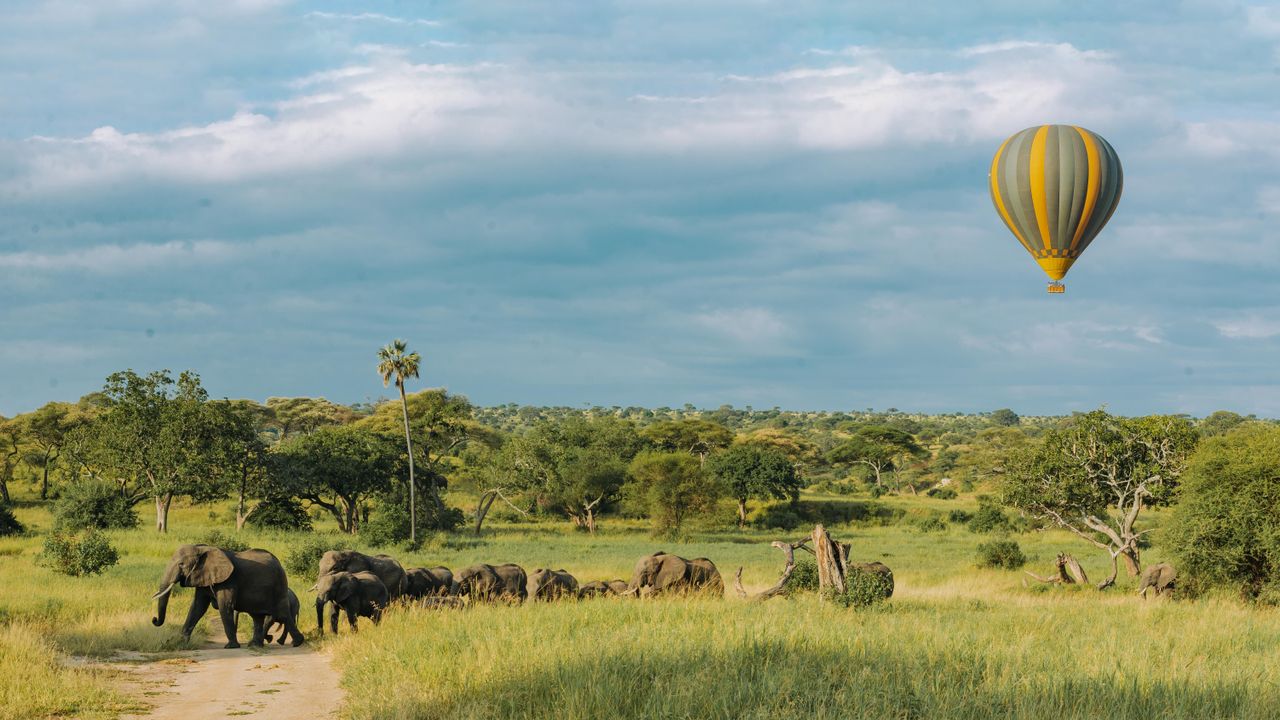
Tarangire is known for huge elephant herds and ancient baobab trees, a quieter northern park at its best in the dry season.
What makes it different.
Tarangire National Park is famous for two things: the largest elephant herds in northern Tanzania and the giant baobab trees that define its skyline. In the dry season the Tarangire River becomes the area's main water source, drawing a mini-migration of elephant, buffalo, zebra and wildebeest, with far fewer vehicles than the Serengeti or crater.
Elephant herds that can number 300 along the Tarangire River.
Ancient baobab trees, some over 600 years old.
A dry-season migration that draws huge numbers to the river.
Over 550 recorded bird species.
Walking safaris and night drives in some areas.
Rarer species like fringe-eared oryx and greater kudu.
Wildlife to look for.
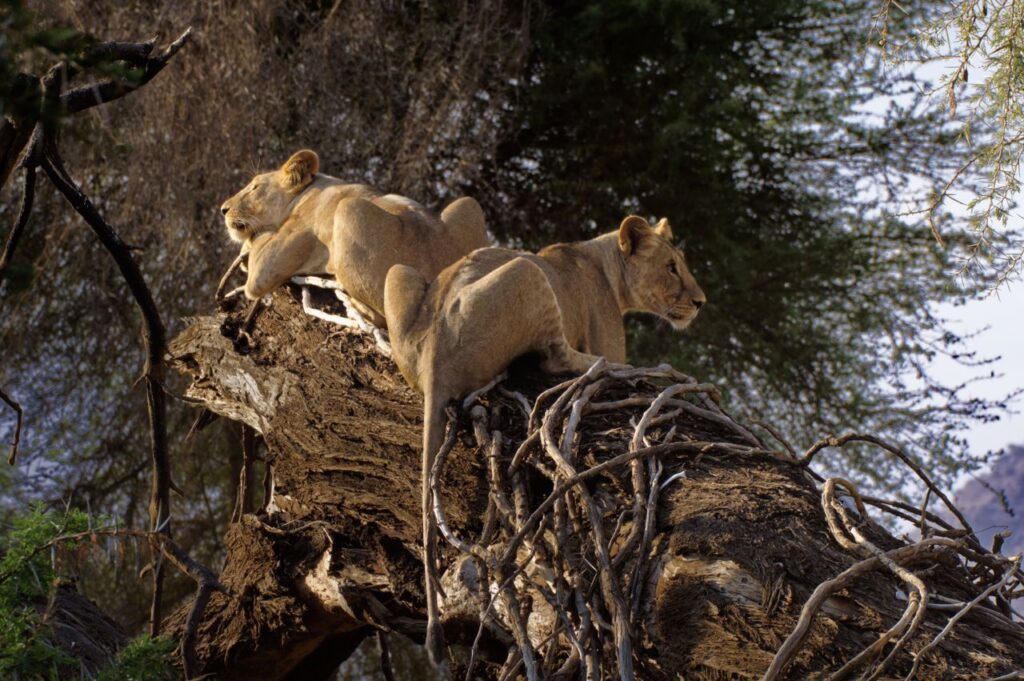
Lion
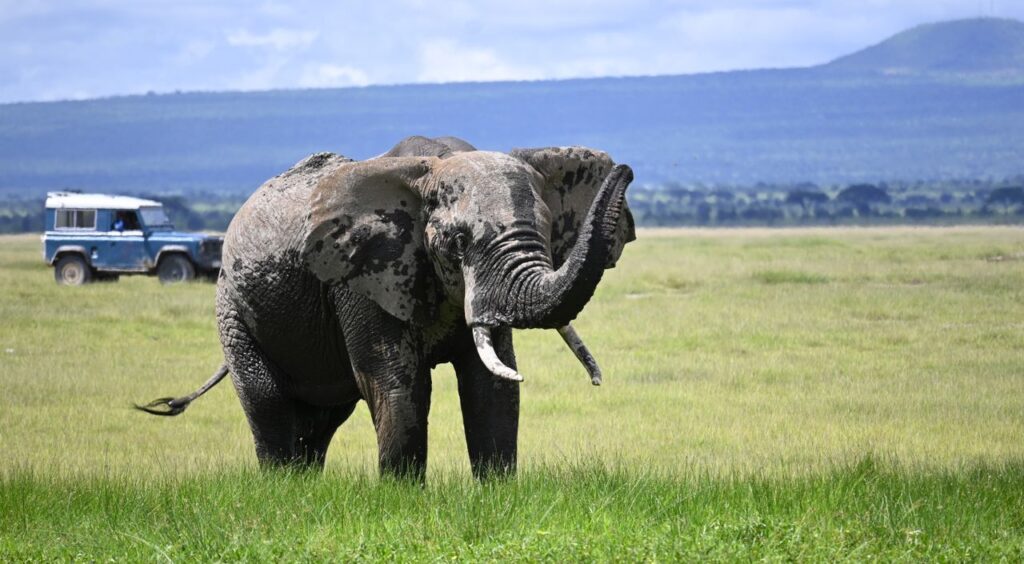
Elephant

Plains Zebra
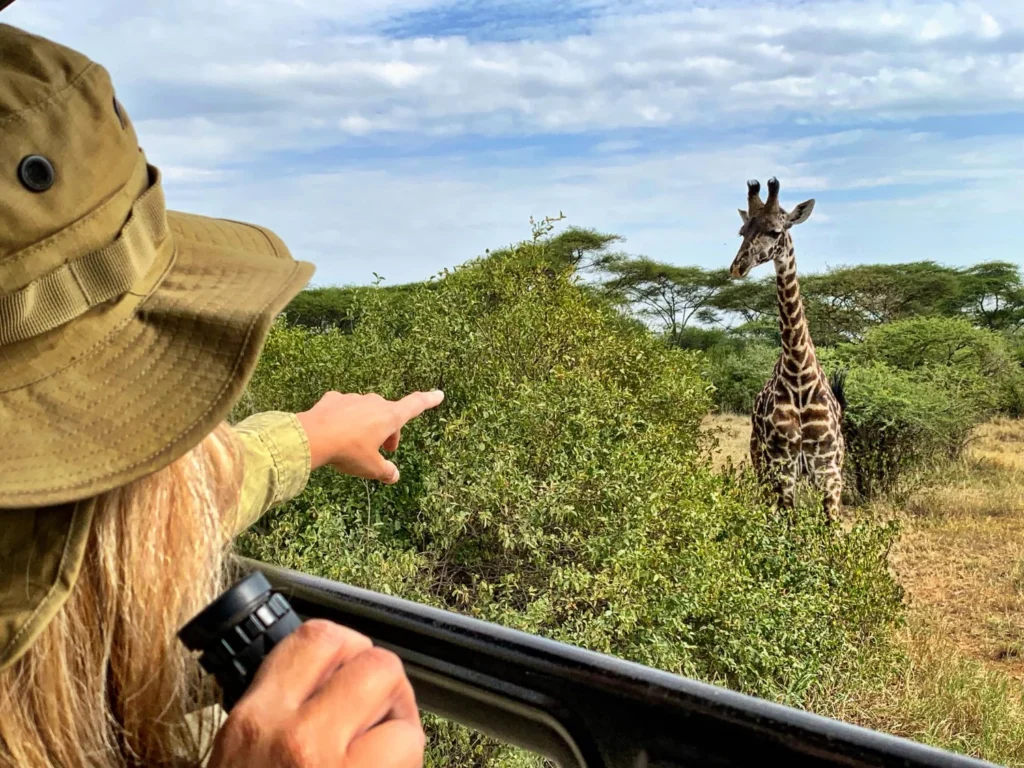
Giraffe
When to go.
Dry Season
June to October is the standout season. As the surrounding plains dry out, wildlife crowds the Tarangire River, and elephant numbers along the water are among the best in the country.
Green Season
November to May turns the park lush and green, ideal for birding as migrants arrive, though wildlife disperses across a wider area and big herds are harder to find.
Getting there.
By Road
Around two hours by tarmac road from Arusha, which makes Tarangire an easy first stop on a northern circuit.
By Air
Light aircraft serve the park's airstrip from Arusha and the Serengeti for fly-in safaris.
Good to know.
Huge elephant herds and ancient baobab trees. In the dry season it has one of the highest concentrations of wildlife in northern Tanzania outside the Serengeti and crater.
June to October, the dry season, when animals gather along the Tarangire River and elephant viewing is at its best.
No. Tarangire has four of the Big Five: elephant, lion, leopard and buffalo. For rhino, pair it with the Ngorongoro Crater.
About two hours by road, so it is often the first park visited on a northern circuit safari.

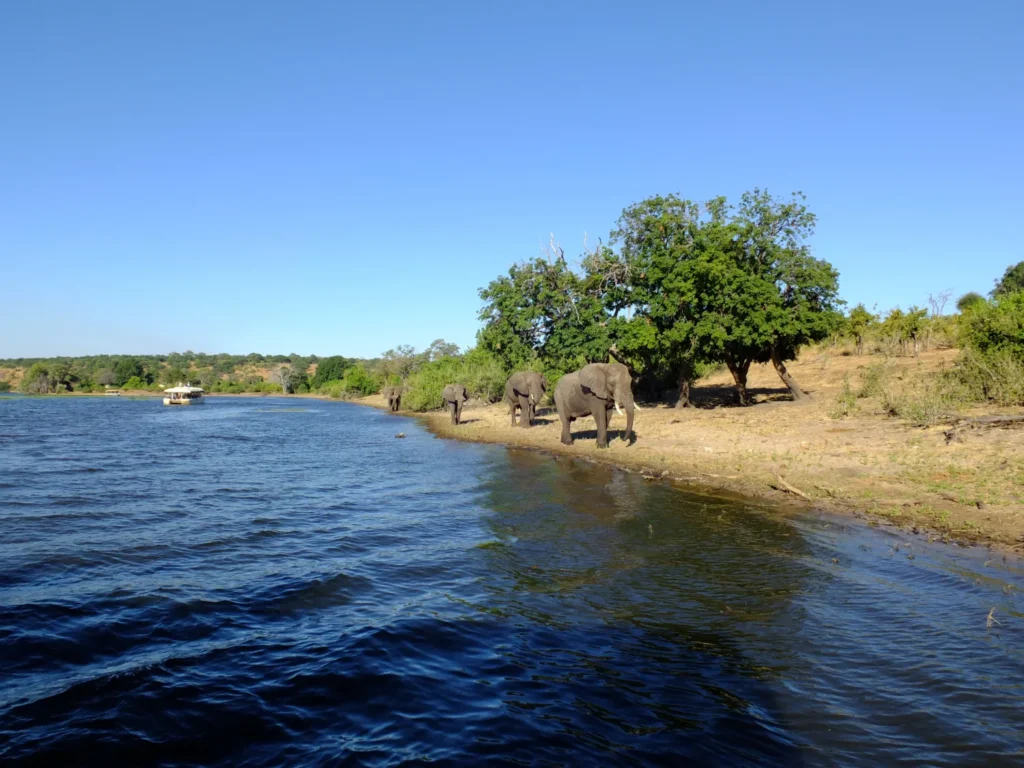
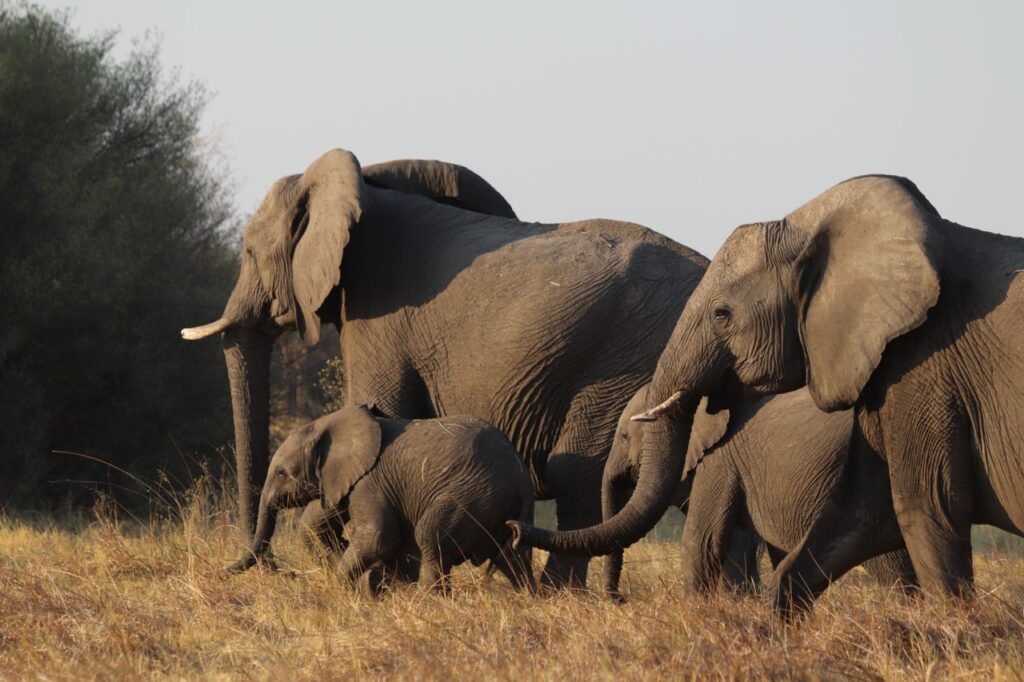
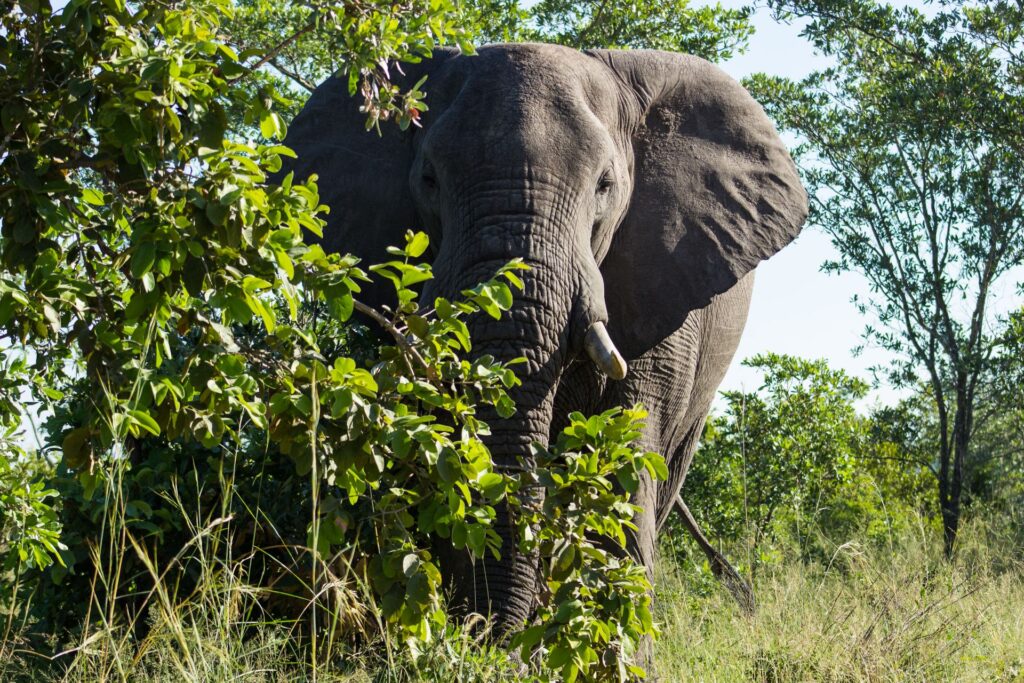
Where elephants and baobabs meet the north's quiet giant.
Get Your Free Tanzania Safari Guide
Get our free Tanzania safari guide straight to your inbox, packed with wildlife tips, park highlights and trip-planning advice.
Drop your details below and we will send it straight to your inbox. No spam, unsubscribe any time.