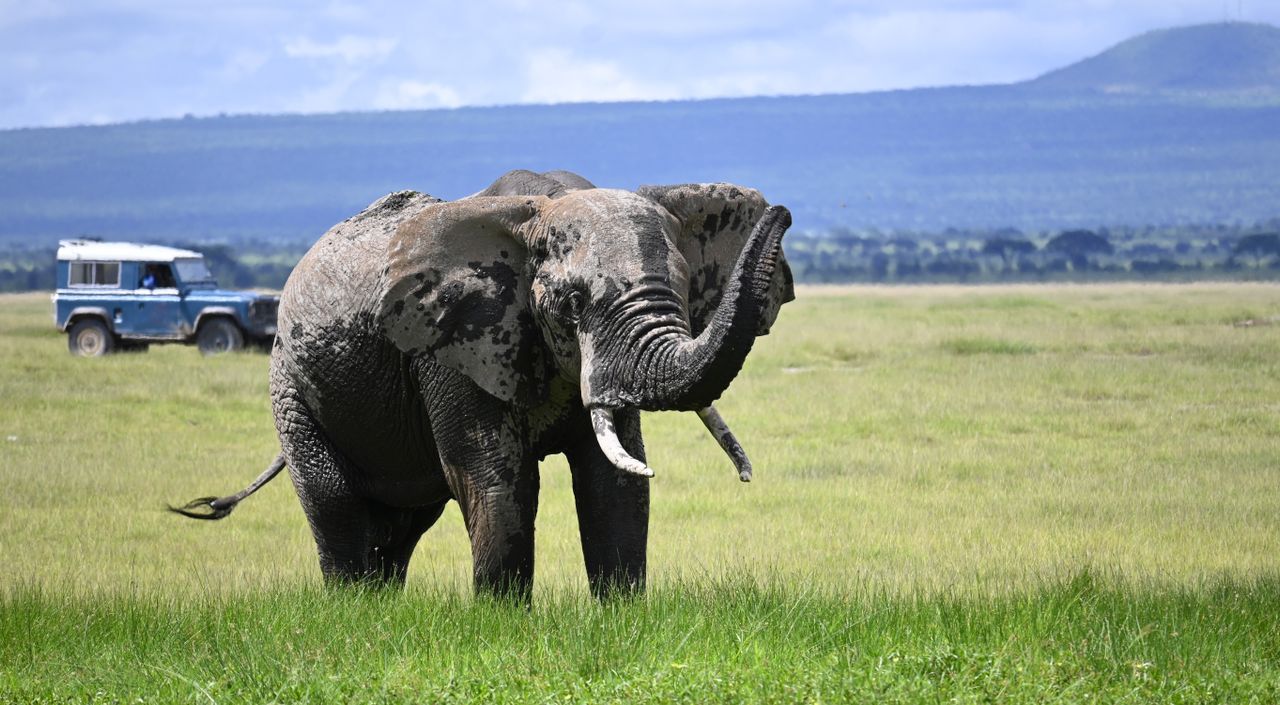
Ngorongoro Crater
The Ngorongoro Crater is the world's largest intact volcanic caldera and the easiest place in Tanzania to see the Big Five in a single day.
What makes it different.
The Ngorongoro Crater is the world's largest intact volcanic caldera, a 260-square-kilometre bowl walled by 600-metre cliffs. Around 25,000 large animals live on its floor, including one of Africa's densest lion populations and a precious population of endangered black rhino, which makes it the most reliable place in Tanzania to see the Big Five in one day.
The Big Five, often all in a single day's game drive.
Endangered black rhino on the open crater floor.
One of the highest lion densities in Africa.
Flamingos on Lake Magadi and hippo in the swamps.
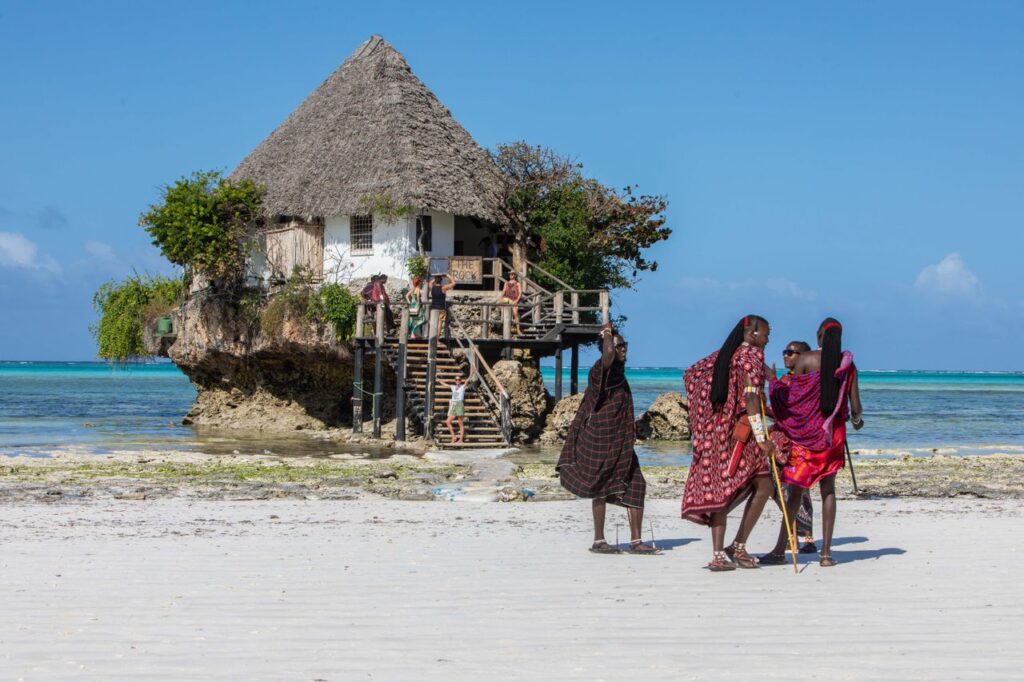
A UNESCO World Heritage Site, with Olduvai Gorge and Maasai culture nearby.
Wildlife to look for.

Black Rhino
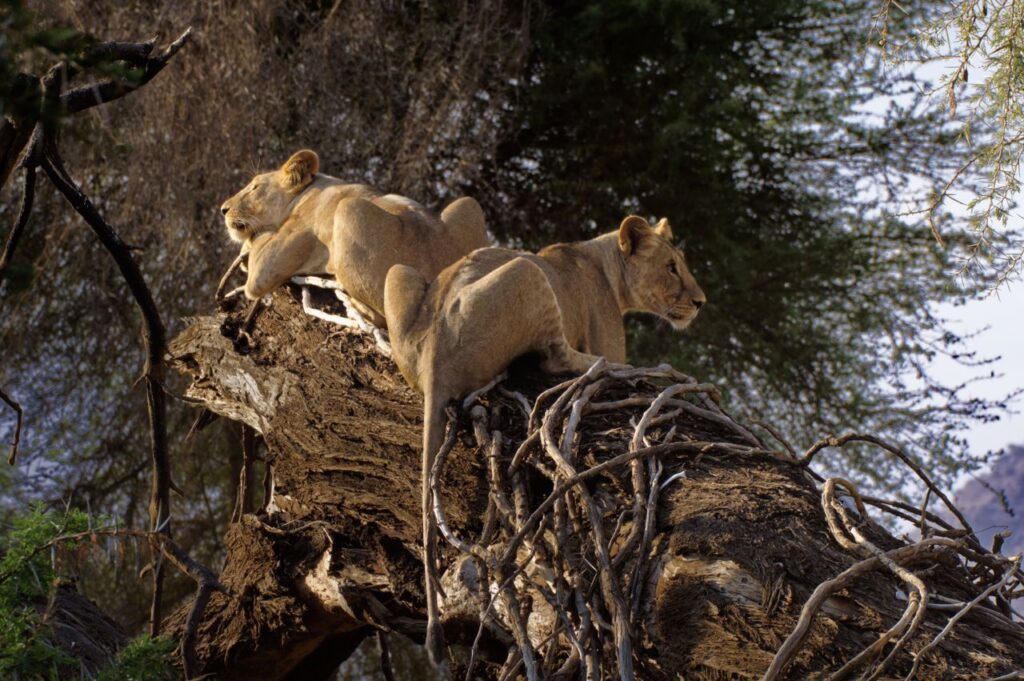
Lion
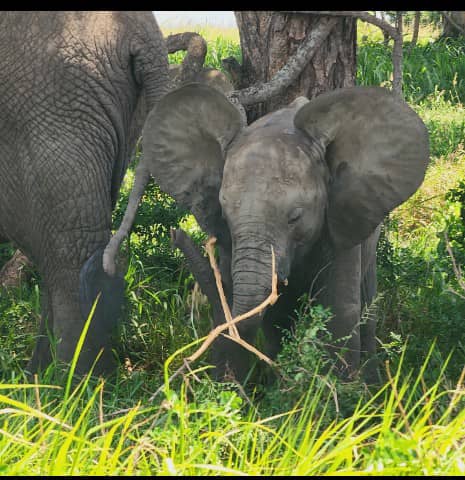
Elephant
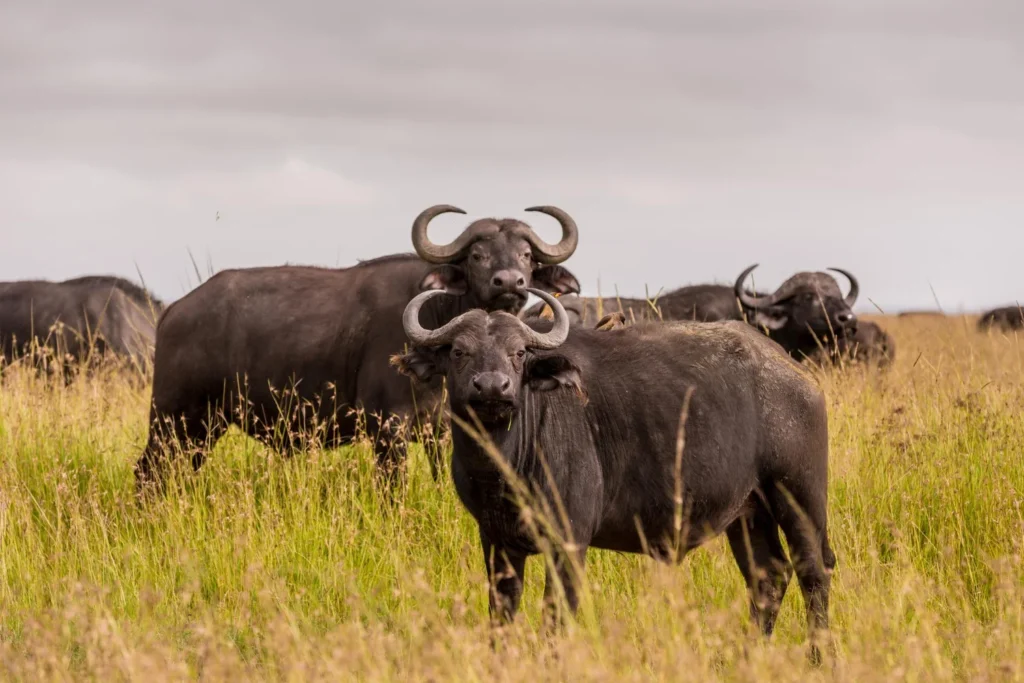
African Buffalo

Leopard
When to go.
Dry Season
June to October gives the most reliable game viewing. The grass is short, sightlines are long, and the access road to the floor is at its best. Rim nights are cold, so pack layers.
Green Season
November to May is greener and quieter, with excellent photography after the short rains and a calving season on the wider plains. Expect some rain and muddier roads, but the crater floor stays rich with wildlife year-round.
In pictures.


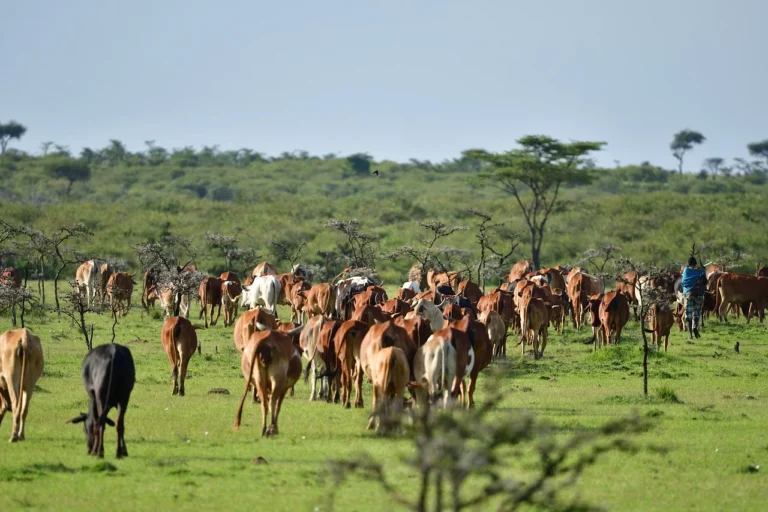


Getting there.
By Road
About a three to four-hour drive from Arusha on tarmac to the rim, usually as part of a northern circuit with Tarangire and the Serengeti.
By Air
Fly-in safaris use Lake Manyara airstrip, followed by a short road transfer up to the crater rim.
Good to know.
Yes, and often in a single day. The crater is the most reliable place in Tanzania for all five, including the rarely seen black rhino, though rhino sightings are usually at a distance.
Both. The famous crater is a 260-square-kilometre caldera that sits within the much larger 8,300-square-kilometre Ngorongoro Conservation Area, which also includes Olduvai Gorge and Maasai grazing land.
June to October for the clearest viewing, though the crater floor holds wildlife all year. Mornings on the rim are cold whatever the season.
Most safaris spend a full day on the crater floor, often with a picnic lunch, staying one or two nights on the rim or in nearby Karatu.
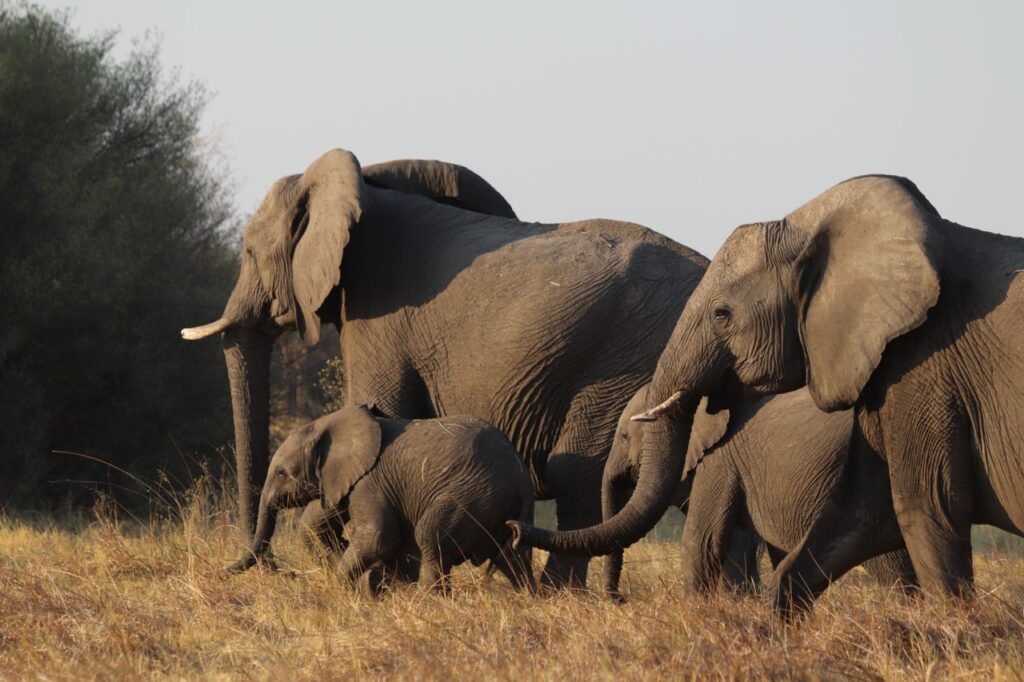
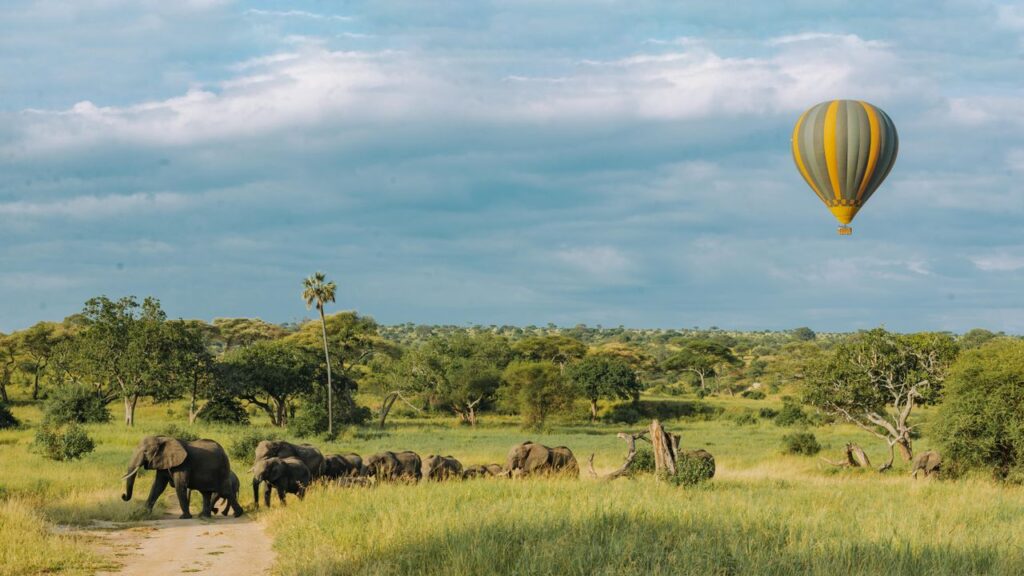

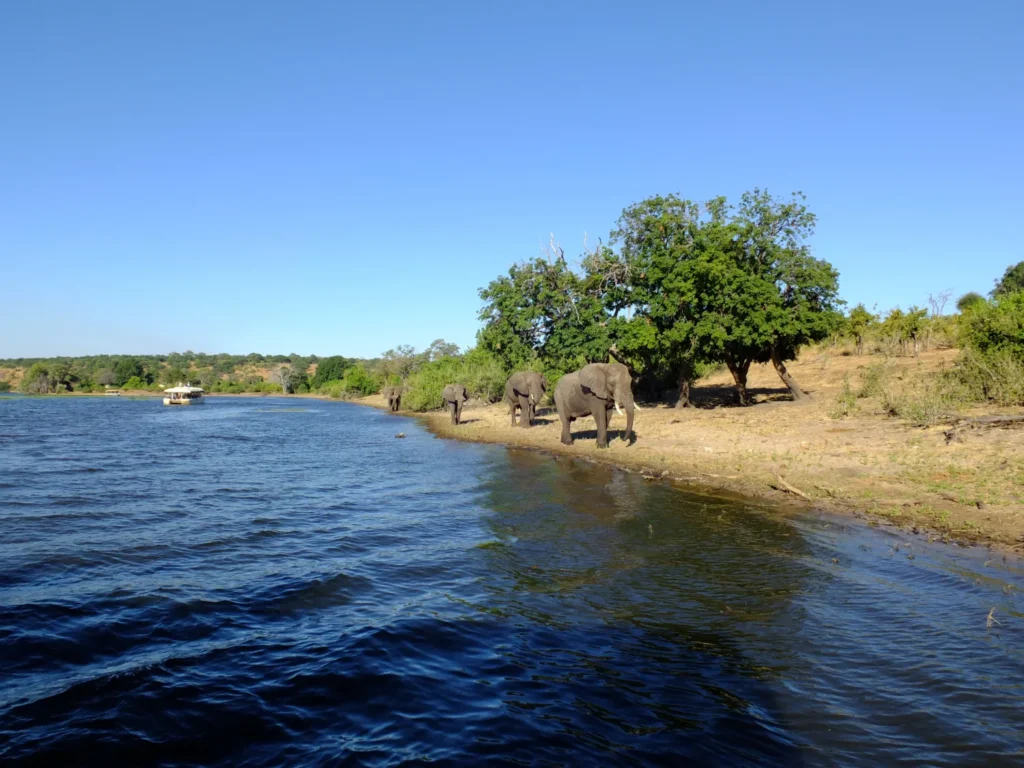
The Big Five in a single day the most concentrated wildlife in Africa.
Get Your Free Tanzania Safari Guide
Get our free Tanzania safari guide straight to your inbox, packed with wildlife tips, park highlights and trip-planning advice.
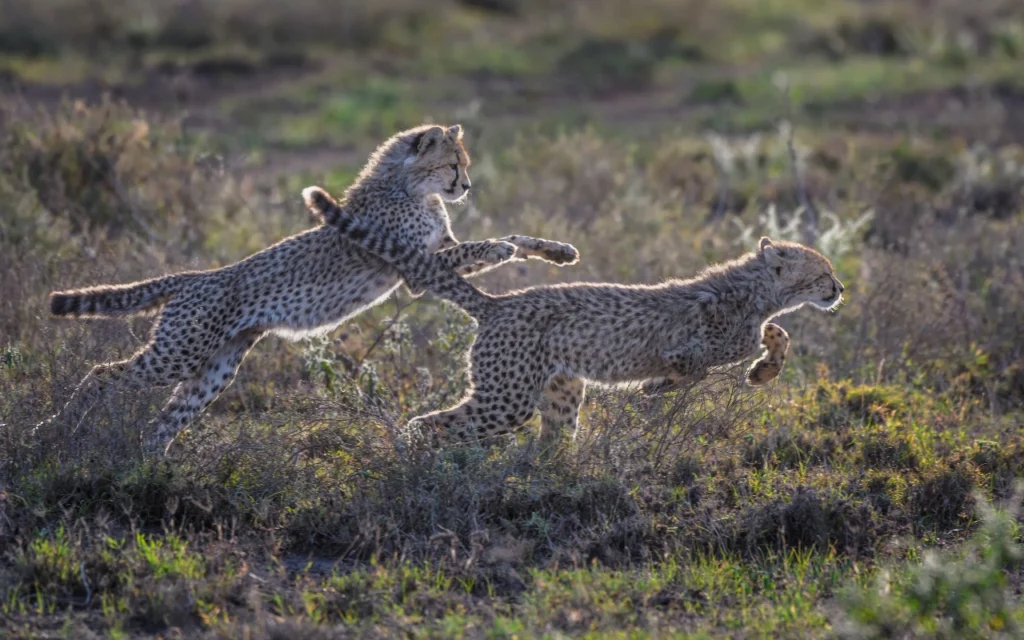
Drop your details below and we will send it straight to your inbox. No spam, unsubscribe any time.